Eczema (atopic dermatitis) affects around 1 in 5 children and 1 in 12 adults in the UK. The dry, itchy, inflamed skin can be uncomfortable and frustrating. While there is no cure, effective management is absolutely possible — and much of it starts at your pharmacy.
Understanding Eczema
Eczema is a chronic condition where the skin barrier does not work as effectively as it should. This allows moisture to escape and irritants to get in, leading to dry, itchy, inflamed patches. Common triggers include:
- Soaps, detergents, and bubble baths
- Environmental allergens (dust mites, pet dander, pollen)
- Stress and tiredness
- Weather changes — cold, dry air or excessive heat
- Certain fabrics, especially wool and synthetic materials
- Food allergies (in some children)
Emollients: The Foundation of Treatment
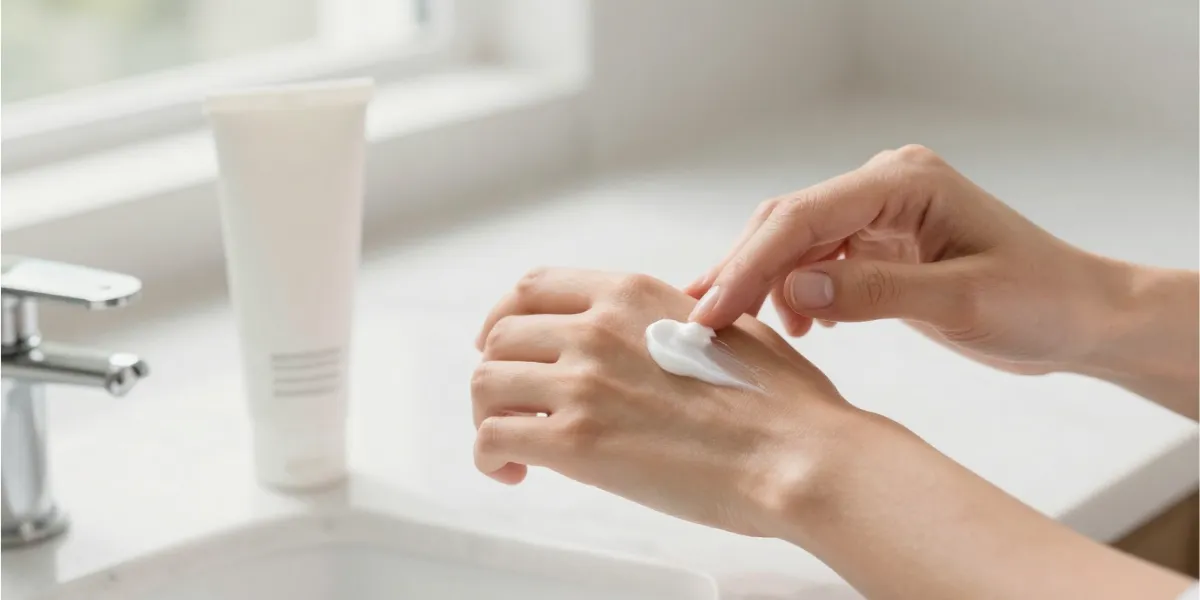
Emollients (moisturisers) are the single most important treatment for eczema. They repair the skin barrier, lock in moisture, and reduce itching. Use them liberally and often — at least twice daily, even when skin looks clear.
Popular emollients available at your pharmacy:
- Cetraben — Lightweight, non-greasy cream. Good for mild-moderate eczema and daily use.
- Doublebase — Gel formula that spreads easily. Popular for children.
- Diprobase — Rich cream suitable for drier skin. Available as cream and ointment.
- Aveeno — Oat-based formula that soothes itching. Good for sensitive skin.
- Epaderm — 3-in-1 emollient, bath additive, and skin cleanser. Very economical.
Tip: Ointments are greasier but more effective than creams for very dry skin. Creams are lighter and more cosmetically acceptable for daytime use. Many people use a cream during the day and an ointment at night.
Treating Flare-Ups
When eczema flares up (red, inflamed, itchy patches), you may need:
- Hydrocortisone cream (1%) — A mild steroid cream available over the counter. Apply thinly to affected areas for up to 7 days. Do not use on the face unless directed by a pharmacist.
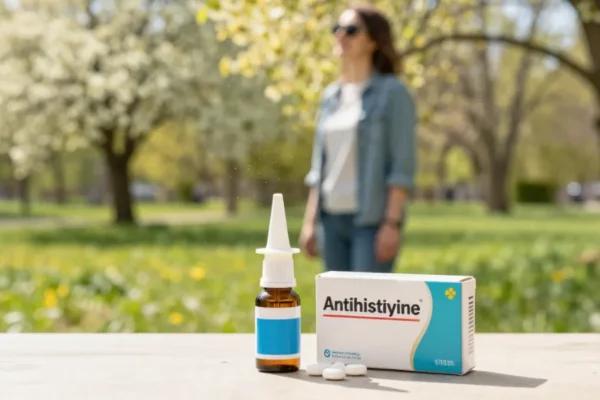
- Antihistamines — Chlorphenamine (Piriton) at bedtime can help reduce itching and aid sleep. Cetirizine or loratadine for daytime relief.
- Antibacterial treatments — If eczema becomes infected (weeping, crusting, increased pain), see your pharmacist for advice.
Daily Self-Care Tips
- Apply emollients within 3 minutes of bathing to lock in moisture
- Use lukewarm water — hot water strips natural oils from skin
- Replace soap with an emollient wash or soap substitute
- Pat skin dry gently — never rub
- Wear cotton clothing next to skin
- Keep nails short to minimise damage from scratching
- Keep rooms cool and well-ventilated
- Wash clothes with non-biological detergent
When to See a GP
Visit your GP if over-the-counter treatments are not controlling your eczema, if the skin becomes infected, or if eczema is significantly affecting your sleep or daily life. They can prescribe stronger steroid creams, calcineurin inhibitors, or refer you to a dermatologist.
Visit Heaton Road Pharmacy
Our pharmacists can help you choose the right emollient for your skin type, advise on flare-up management, and recommend products for sensitive skin. We stock a comprehensive range of eczema treatments — come in for a free consultation.